
Sustainability
Initiatives for a Circular Economy: Waste Reduction
Basic Approach
As the global population grows and economies develop, resources are being consumed and discarded on a massive scale. As a result, various social issues are becoming increasingly serious, including resource depletion, environmental pollution, and ecosystem degradation.
To contribute to a circular economy, the Mitsuboshi Belting Group actively promotes waste reduction and the increased use of non-petroleum-derived and recycled materials. With regard to plastics, which have been identified as a major source of marine pollution, the Group will establish a management system, define measures and KPIs, and translate them into concrete actions.
Management System
The Group manages waste through an environmental management system (EMS) aligned with ISO 14001. For details of the EMS, please refer to “Environmental Governance System.”
Under the Group’s material issue of “building a circular economy and using resources effectively,” “reducing waste and promoting the 3Rs” has been identified as a measure. For domestic sites, the KPI is an industrial waste landfill disposal ratio of 1.0% or less. Waste management activities are therefore monitored and evaluated by the Sustainability Meeting. The risk management process is the same as that described on the “Initiatives Related to Climate Change” page.
Implementation Status
The Group works to prevent increases in waste through the 3Rs: Reduce, Reuse, and Recycle. In particular, the Group focuses on reducing waste through improvements in manufacturing methods and reusing materials within production processes. In FY2025, the Group began reviewing its method for calculating waste volumes. The Group will improve visibility into these activities and use the results to establish targets for reducing total waste volume.
In FY2025, the landfill disposal ratio for total waste generated at domestic production sites was 0.2%, below the KPI of 1.0% or less. The Group therefore achieved its zero-landfill target, defined as a landfill disposal ratio of 1.0% or less (Figure 1). At overseas production sites, the landfill disposal ratio was zero at the plant in India. At sites other than those in Indonesia and Thailand, however, 100% of waste was disposed of in landfills. In FY2025, waste that had previously been landfilled was instead incinerated, reducing the landfill disposal ratio for total waste generated overseas to 16.8% (Figure 2). The resulting Group-wide landfill disposal ratio was 7.92%. At overseas production sites, total waste volume increased by 19.2% year on year following a review of the waste-volume calculation method.
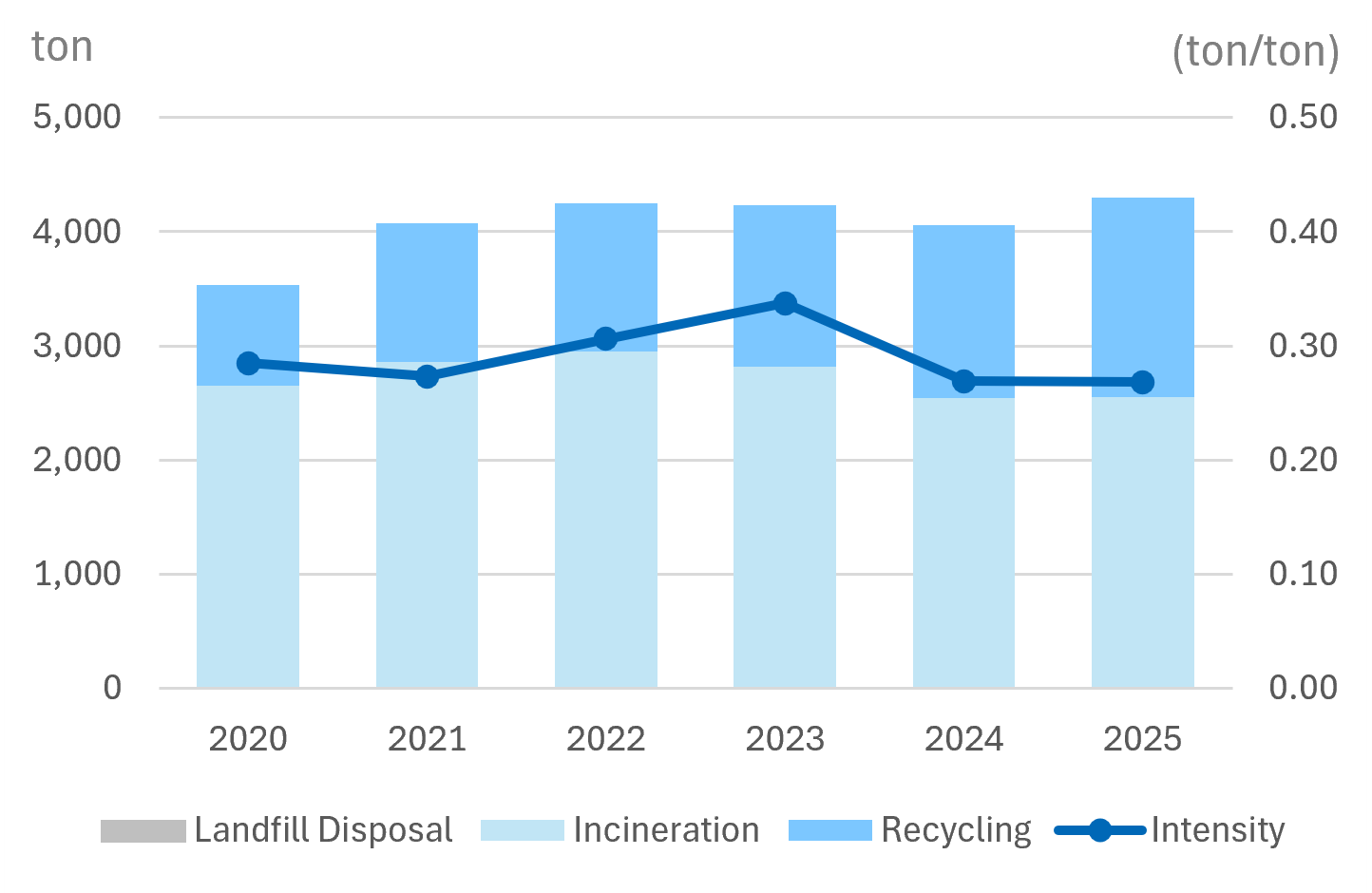
Figure 1. Waste Generation Trend (Japanese Sites)
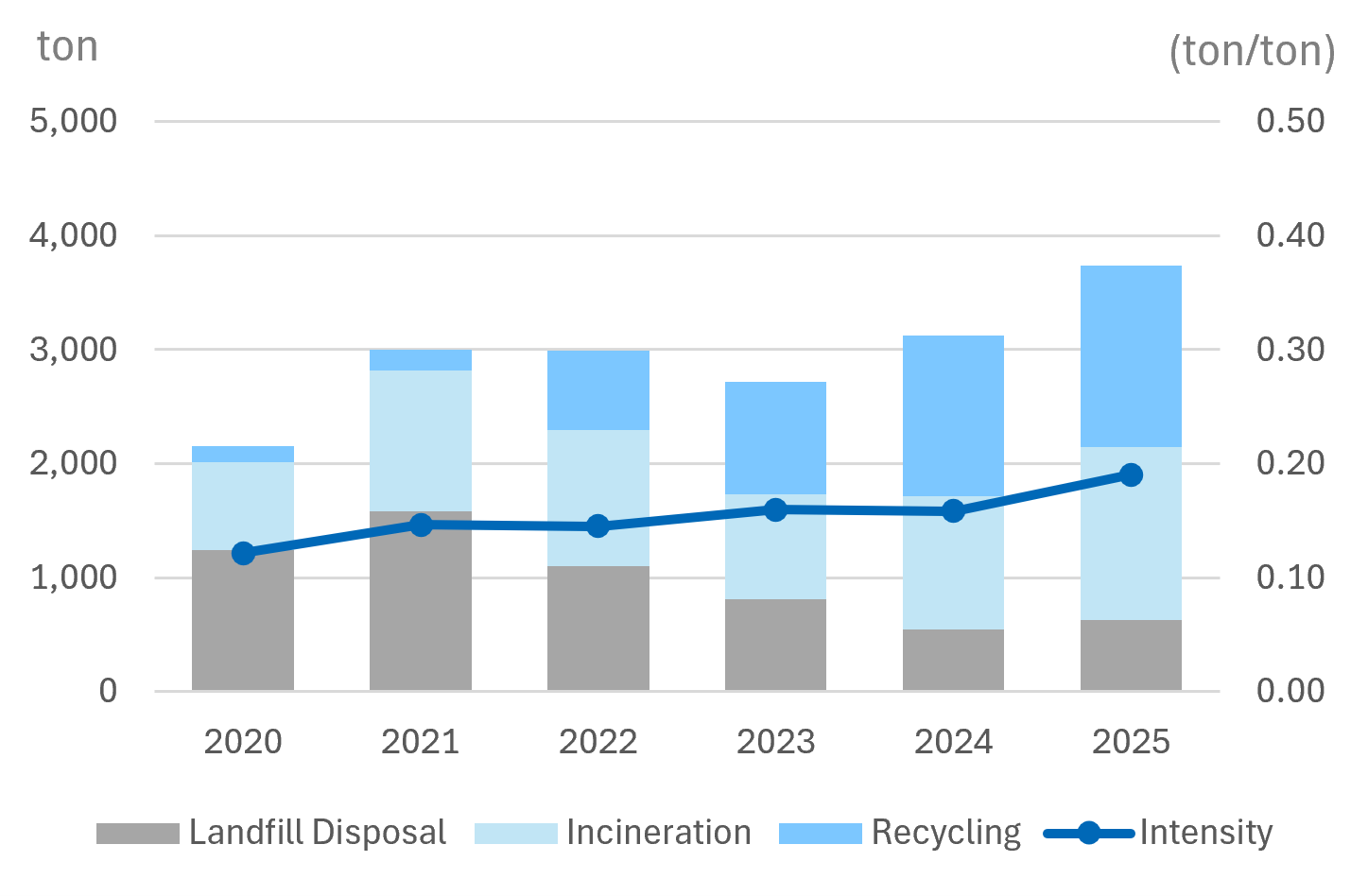
Figure 2. Waste Generation Trend (Overseas Sites)